If you want more people to find your website, SEO is one of the most effective digital marketing strategies you can use.
Every day, billions of searches are made on Google. People search for products, services, answers to their questions, and solutions to their problems. When your website appears at the top of search results, you have a better chance of attracting visitors who are genuinely interested in what you offer.
However, ranking on Google is no longer about adding a few keywords to a webpage. Search engines have become much smarter. They now focus on delivering useful, trustworthy, and relevant content that satisfies users’ search intent.
That is why modern SEO is about creating a better experience for your visitors while helping search engines understand your content.
In this guide, you’ll learn what SEO is, how it works, why it matters, and the strategies you can use to improve your website rankings in 2026.
What Is Search Engine Optimization (SEO)?
Search Engine Optimization (SEO) is the process of improving your website so it appears higher in search engine results when people search for topics related to your business.
The goal of SEO is simple: attract more organic traffic without paying for advertisements.
Organic traffic includes visitors who find your website naturally through search engines like Google after searching for relevant keywords.
For example, imagine you own an online shoe store.
If someone searches for “best running shoes for beginners” and your page appears on the first page of Google, there’s a much higher chance they’ll visit your website.
The higher your pages rank, the more visibility, clicks, and potential customers you can receive.
SEO is not a one-time task. It is an ongoing process that includes creating valuable content, improving website performance, optimizing pages, and earning trust from both users and search engines.
Why Is SEO Important?
Many businesses invest in paid advertising, but SEO offers long-term benefits that continue to deliver results over time.
Here are some of the biggest reasons why SEO matters.
Increases Organic Traffic
People use search engines whenever they need information or want to buy something.
If your website ranks well, you can attract visitors without paying for every click.
Unlike paid ads, organic traffic can continue growing as long as your content remains useful and relevant.
Builds Trust and Credibility
Users often trust websites that appear near the top of Google’s search results.
Although rankings are not endorsements, high-quality websites that provide accurate information and a good user experience are more likely to earn strong visibility over time.
Publishing helpful content, keeping your website updated, and demonstrating expertise all contribute to building trust with both users and search engines.
Reaches the Right Audience
SEO helps you connect with people who are already searching for what you offer.
Instead of showing ads to a broad audience, you create content that matches what users are actively looking for.
This makes SEO an effective way to attract qualified visitors who are more likely to engage with your business.
Improves User Experience
Modern SEO goes beyond keywords.
Google also considers factors like:
- Fast loading speed
- Mobile-friendly design
- Clear navigation
- Helpful content
- Secure browsing (HTTPS)
Improving these areas creates a better experience for visitors while supporting your site’s overall search performance.
Supports Long-Term Growth
A well-optimized article can continue attracting visitors for months or even years with regular updates.
As your website grows, your collection of helpful content can increase your visibility across a wider range of searches.
This makes SEO a sustainable long-term marketing strategy.
How Search Engines Work
To improve your rankings, it’s helpful to understand how search engines discover and evaluate websites.
The process generally involves three main steps.
1. Crawling
Search engines use automated programs called crawlers or spiders to discover web pages.
These crawlers follow links from one page to another and collect information about new and updated content.
If your pages cannot be crawled, they are unlikely to appear in search results.
2. Indexing
After discovering a page, the search engine analyzes its content.
If the page meets quality and technical requirements, it may be added to the search engine’s index.
The index is a large database of web pages that search engines can use to answer user queries.
3. Ranking
When someone performs a search, the search engine looks through its index and selects pages that best match the user’s intent.
Many factors can influence rankings, including:
- Content quality
- Relevance
- Website authority
- User experience
- Page speed
- Mobile usability
- Internal linking
- Helpful information
The goal is always to show users the most useful results for their search.
Types of SEO
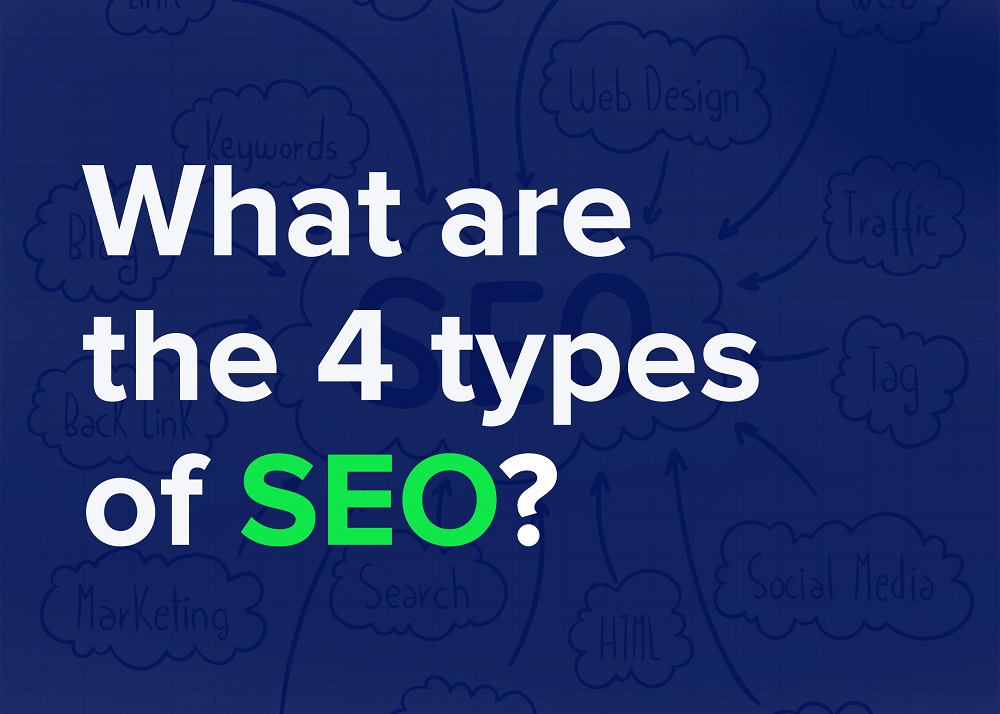
SEO includes several different areas that work together to improve your website’s visibility.
On-Page SEO
On-page SEO refers to improvements you make directly on your website.
Common on-page SEO activities include:
- Writing high-quality content
- Using relevant keywords naturally
- Optimizing title tags
- Writing compelling meta descriptions
- Organizing content with headings
- Adding internal links
- Optimizing images
- Improving readability
Strong on-page SEO helps search engines understand your content while making it easier for users to read.
Off-Page SEO
Off-page SEO includes activities that happen outside your website to improve its reputation and authority.
Examples include:
- Earning backlinks from trusted websites
- Brand mentions
- Guest posting
- Digital PR
- Social media visibility
High-quality backlinks remain an important signal because they indicate that other websites find your content valuable.
Technical SEO
Technical SEO focuses on making your website easy for search engines to crawl and users to navigate.
Important technical improvements include:
- Faster loading speed
- Mobile responsiveness
- Secure HTTPS connection
- XML sitemap
- Robots.txt optimization
- Fixing broken links
- Structured data
- Clean website architecture
Good technical SEO provides a solid foundation for all your other optimization efforts.
Local SEO
Local SEO helps businesses appear in location-based searches.
For example:
- Coffee shop near me
- Dentist in New York
- Best plumber in Chicago
Local SEO involves optimizing your business profile, collecting customer reviews, using location-specific keywords, and keeping your business information consistent across the web.
It is especially valuable for businesses that serve customers in specific geographic areas.
How SEO Has Changed in 2026
SEO has evolved significantly over the years.
Today, Google focuses less on individual keywords and more on understanding the overall meaning of content and whether it genuinely helps users.
Successful websites now prioritize:
- Answering real user questions
- Demonstrating expertise
- Publishing original insights
- Providing accurate information
- Improving page experience
- Keeping content updated
Instead of trying to “beat” the algorithm, the most effective approach is to create content that solves problems and provides value.
When your content satisfies user intent, it is more likely to perform well in search results over time.
How to Do Keyword Research for SEO
Keyword research is the foundation of every successful SEO strategy. It helps you understand what your audience is searching for and the exact words they use on search engines.
When you target the right keywords, you can create content that matches user intent and has a better chance of ranking on Google.
Start with Your Main Topic
Think about the products, services, or information your audience needs.
For example, if you run a fitness website, your main topics might include:
- Home workouts
- Weight loss
- Healthy eating
- Strength training
- Fitness equipment
Each of these topics can become a content category on your website.
Find Related Keywords
After choosing your main topic, look for related search terms.
Instead of targeting only broad keywords like “SEO,” consider more specific phrases such as:
- Beginner SEO guide
- SEO tips for small businesses
- On-page SEO checklist
- Technical SEO basics
- How to improve Google rankings
These longer search phrases often have less competition and clearly show what users want to learn.
Understand Search Intent
Not every keyword has the same purpose.
Before creating content, ask yourself why someone is searching for that keyword.
The four common types of search intent are:
- Informational: The user wants to learn something.
- Navigational: The user is looking for a specific website or brand.
- Commercial: The user is comparing options before making a decision.
- Transactional: The user is ready to buy or take action.
Creating content that matches the user’s intent improves both rankings and user satisfaction.
On-Page SEO Best Practices
On-page SEO helps search engines understand your content while making it easier for visitors to read and navigate.
Here are some important practices to follow.
Write Helpful Content First
Google rewards content that answers users’ questions clearly and accurately.
Instead of writing only for search engines, focus on helping real people.
Good content should:
- Solve a problem
- Answer common questions
- Include accurate information
- Be easy to read
- Offer practical advice
Helpful content naturally performs better over time.
Create Clear Headings
Headings organize your content into sections.
They make articles easier to scan and help readers quickly find the information they need.
Use descriptive headings that explain what each section covers.
Use Keywords Naturally
Include your primary keyword in important places such as:
- The page title
- Introduction
- Main heading
- Some subheadings where relevant
- Throughout the content naturally
Avoid repeating the same keyword too often.
Google understands related words and context, so write naturally instead of forcing keywords into every paragraph.
Write Engaging Meta Titles and Descriptions
Your title tag and meta description are often the first things users see in search results.
A good title should clearly describe the page.
A strong meta description should encourage users to click by explaining what they will learn.
Although meta descriptions are not a direct ranking factor, they can improve your click-through rate.
Add Internal Links
Internal links connect related pages on your website.
For example, an article about keyword research can link to another guide about content writing.
Internal linking helps:
- Improve navigation
- Keep visitors on your website longer
- Help search engines discover important pages
Optimize Images
Images make content more engaging, but they should also be optimized.
Use:
- Descriptive file names
- Alt text that explains the image
- Compressed image sizes for faster loading
Optimized images improve accessibility and website performance.
Google Ranking Factors
Google uses many signals to decide which pages should appear in search results.
While the exact algorithm is not public, several factors consistently contribute to strong search performance.
Content Quality
Content remains one of the most important ranking factors.
- Accurate
- Helpful
- Well-organized
- Original
- Updated when necessary
Google wants to show users the best available answer to their search.
User Experience
A positive user experience encourages visitors to stay on your website.
Important factors include:
- Fast loading pages
- Mobile-friendly design
- Easy navigation
- Readable layout
- Minimal intrusive pop-ups
If users quickly leave your website because it is difficult to use, your content is less likely to perform well over time.
Backlinks
Backlinks are links from other websites pointing to your content.
When trusted websites link to your pages, it can signal that your content is valuable.
Focus on earning backlinks naturally by publishing useful resources rather than buying or exchanging links.
Mobile Optimization
Most searches now happen on mobile devices.
Your website should work smoothly on different screen sizes.
A responsive design improves usability and supports better search visibility.
Page Speed
Visitors expect websites to load quickly.
Slow websites can frustrate users and increase the chances that they leave before interacting with your content.
Improving page speed creates a better overall experience.
Common SEO Mistakes to Avoid
Many websites struggle because they make avoidable SEO mistakes.
Here are some of the most common ones.
Publishing Thin Content
Short pages that provide little useful information rarely perform well.
Aim to create content that fully answers the user’s question instead of focusing only on word count.
Keyword Stuffing
Adding the same keyword repeatedly makes content difficult to read.
Use natural language and include related terms where appropriate.
Ignoring Search Intent
Ranking becomes difficult when your content does not match what users actually want.
Always understand the purpose behind a search before writing.
Forgetting Mobile Users
A website that works well on desktop but poorly on mobile may lose visitors and potential rankings.
Test your pages regularly on different devices.
Not Updating Older Content
SEO is an ongoing process.
Review your important articles regularly and update outdated information, statistics, examples, and screenshots.
Fresh content often provides a better experience for users.
Essential SEO Tools
SEO tools help you understand your website’s performance and identify opportunities for improvement.
Some popular options include:
- Google Search Console
- Google Analytics
- Google Keyword Planner
- Ahrefs
- Semrush
- Screaming Frog SEO Spider
- Moz Pro
These tools can help you monitor rankings, discover keywords, analyze backlinks, and identify technical SEO issues.
Need Professional SEO Services?
Improving your website’s search rankings takes time, strategy, and consistent effort. If you don’t have the time or experience to manage SEO yourself, working with an experienced SEO specialist can help you achieve better results faster.
Asad Nazir provides professional SEO services customized to businesses of all sizes. Whether you need keyword research, on-page optimization, technical SEO, content strategy, or a complete SEO audit, you can get a customized solution based on your business goals.
Ready to grow your organic traffic and improve your Google rankings? Contact Asad Nazir today to discuss your SEO needs and start building a stronger online presence