Most businesses treat on-page SEO as a traffic tactic.
That’s a mistake.
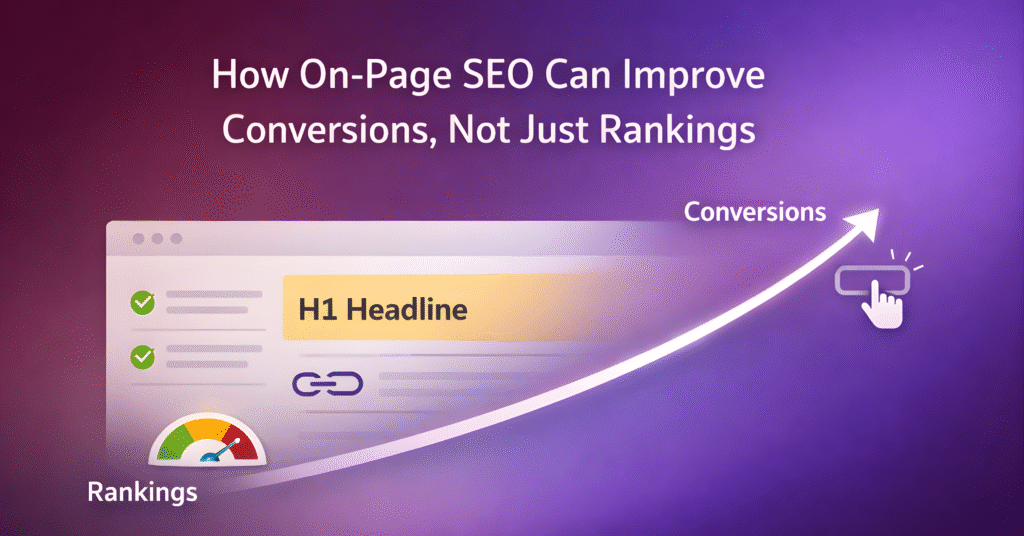
When done correctly, on-page SEO directly influences conversions—by shaping how users think, behave, and decide once they land on your page.
This guide explains how SEO conversion optimization works at the page level, and how to turn rankings into measurable business results.
The Real Role of On-Page SEO (Beyond Rankings)
On-page SEO is not just about:
- Keywords
- Meta tags
- Headings
It’s about alignment:
- Between search intent and page intent
- Between user expectations and page experience
- Between information and action
If those don’t align, rankings don’t convert.
Quick Answer: How On-Page SEO Improves Conversions
On-page SEO improves conversions by:
- Matching search intent precisely
- Reducing cognitive friction
Improving content clarity and flow - Reinforcing trust signals
- Guiding users toward a single logical action
Traffic is useless if intent is mismatched.
1. Search Intent Alignment (The Conversion Multiplier)
Every keyword has hidden intent.
Ranking is about relevance.
Conversion is about expectation fulfillment.
Common mismatch
- Informational keyword → sales-heavy page
- Transactional keyword → educational article
Correct approach
- Informational intent → educate, then soft CTA
- Commercial intent → compare, justify, then CTA
- Transactional intent → remove friction, show proof, convert
On-page SEO optimization starts before content is written.
2. Page Structure That Guides Decisions (Not Just Crawlers)
Google likes structure.
Users need structure.
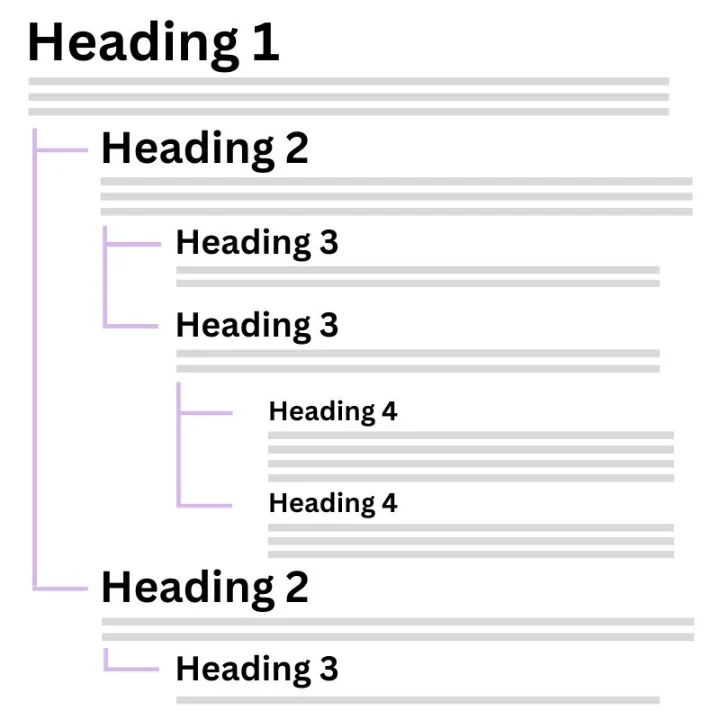
High-converting on-page structure
- Clear H1 that confirms intent
- Logical H2 flow (problem → solution → proof)
- Short paragraphs
- Strategic bullets
- Visual breaks
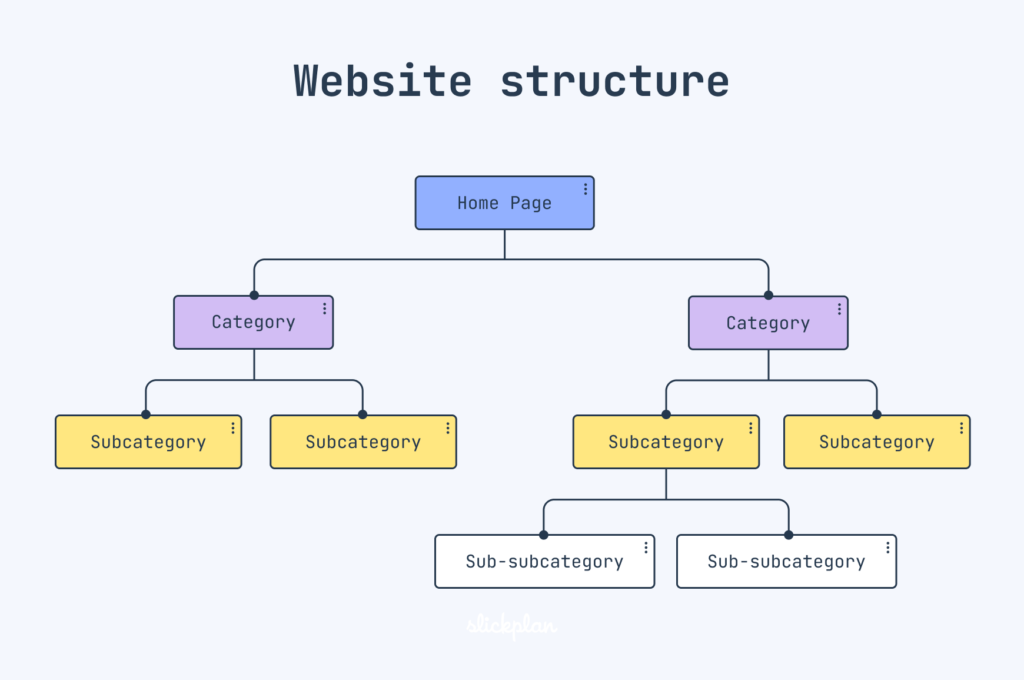
This improves:
- Scroll depth
- Time on page
- Decision clarity
- All of which support conversions.
3. Content Clarity Beats Keyword Density
Modern on-page SEO techniques focus on comprehension, not repetition.
What converts better
- Clear explanations
- Direct language
- Fewer buzzwords
- Specific outcomes
What kills conversions
- Over-optimized content
- Generic filler
- Repeating the same idea in different words
If users don’t understand quickly, they don’t convert.
4. SEO and Conversions Are Connected Through Trust
Search engines and users reward the same thing: credibility.
On-page SEO trust elements
- Clear author or brand positioning
- Data-backed statements
- Real examples
- Transparent language
No exaggerated claims
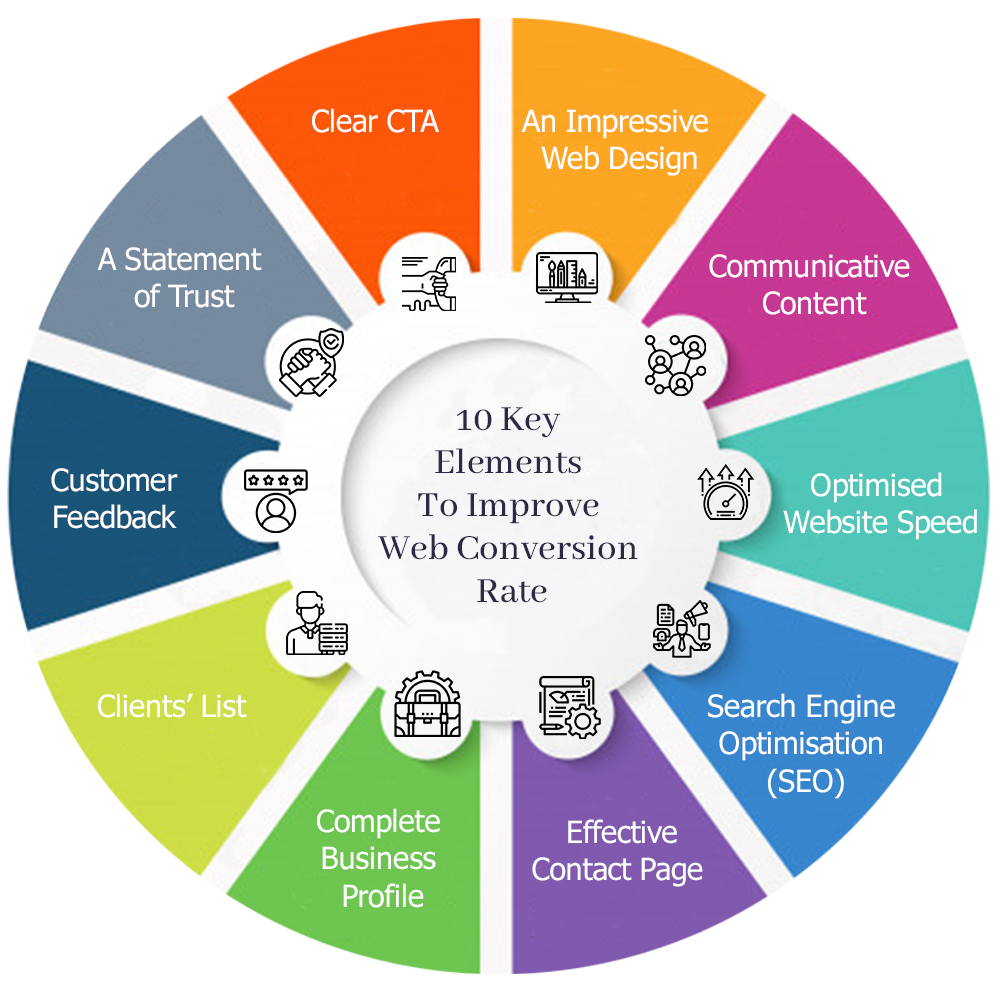
Trust increases:
- Engagement
- Return visits
- Conversion rates
SEO brings users in. Trust makes them act.
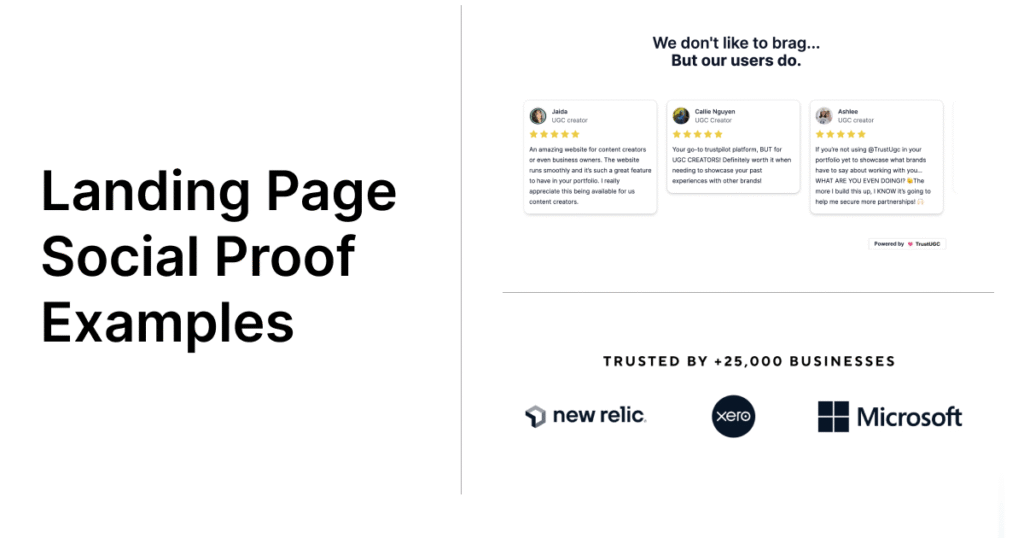
Internal Linking That Moves Users Forward
Most internal links are SEO-only.
High-performing sites use them for decision progression.
Conversion-focused internal linking
- Contextual (not random)
- Aligned with user journey stage
- Supporting not distracting
Example:
- Blog → use-case page
- Guide → comparison page
- Educational content → audit / consultation
This is SEO conversion optimization in practice.
UX Signals Are Conversion Signals
Google measures:
- Bounce behavior
- Engagement patterns
- Interaction signals
Users feel:
- Friction
- Confusion
- Overwhelm
On-page SEO best practices that boost UX
- Fast-loading pages
- Mobile-friendly layouts
- Clear CTA placement
- No intrusive popups early
Better UX = better SEO + better conversions.
CTAs That Match Intent (Not Your Funnel)
High rankings don’t mean users are ready to buy.
Intent-matched CTAs
- Informational → checklist, guide, audit
- Commercial → comparison, demo, case study
- Transactional → direct action
Forcing a sale too early lowers both conversions and engagement.
Comparison Table: Rankings-Only SEO vs Conversion-Focused SEO
| Element | Rankings-Only SEO | Conversion-Focused SEO |
| Keyword usage | High density | Intent-based |
| Content goal | Rank | Convert |
| Page structure | For crawlers | For users |
| CTAs | Aggressive | Contextual |
| UX focus | Minimal | Central |
| Internal links | Random | Journey-based |
How to Improve Website Conversions With SEO (Checklist)
- Intent matches page goal
- Clear H1 confirms user expectation
- Content answers questions fast
- Visual hierarchy supports scanning
- Trust signals included
- Internal links guide next step
- CTA matches intent level
Common Myths About On-Page SEO and Conversions
- ❌ “SEO traffic doesn’t convert”
- ❌ “CRO is separate from SEO”
- ❌ “More keywords = more sales”
- ❌ “Rank first, optimize later”
Conversion optimization should be built into on-page SEO from day one.
Final Takeaway
On-page SEO is not a traffic tactic.
It’s a behavior-shaping system.
When you align:
- Intent
- Structure
- Clarity
- Trust
You don’t just rank—you convert.